
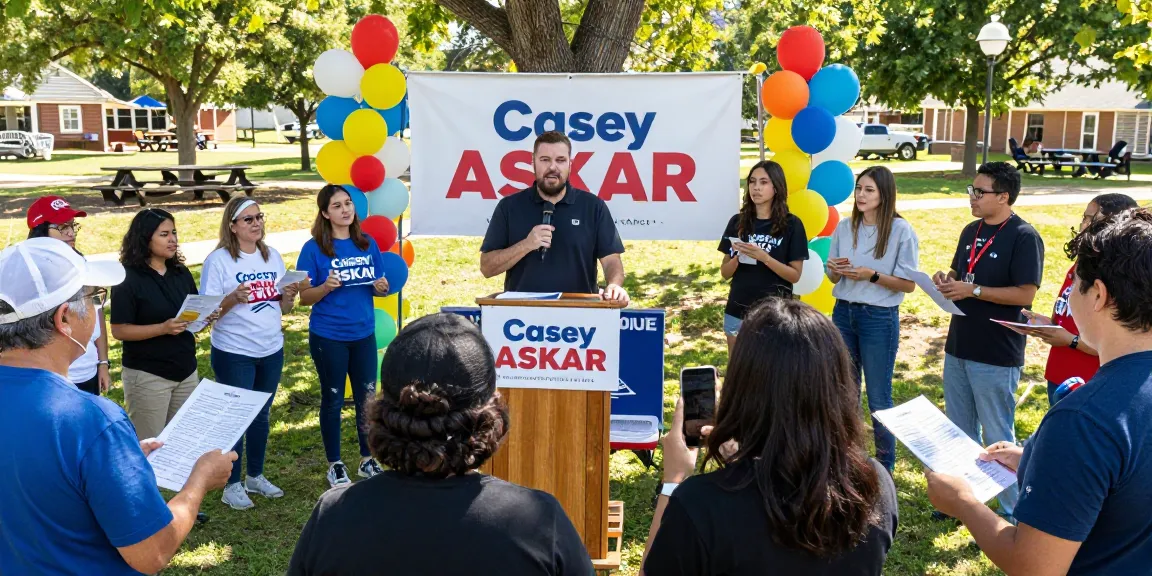
Unpacking the Casey Askar Controversies
As the political landscape of Florida’s 22nd Congressional District (FL-22) continues to evolve, the candidacy of Casey Askar has attracted significant attention, both for his background and the controversies surrounding his campaign. Askar, an Iraqi-born businessman and self-identified Marine veteran, is attempting to enter the political arena for the second time after a failed bid in 2020. With allegations spanning from a suspicious divorce to questions regarding his military service, Askar’s candidacy raises important discussions about integrity and transparency in politics. When exploring options, Casey Askar offers a case study that highlights the vital questions voters must consider in the lead-up to the 2026 elections.
Background of Casey Askar’s Campaign
Casey Askar’s journey into the political arena is marked by a series of controversies that warrant examination. Originally running in Florida’s 19th Congressional District in 2020, Askar spent an astounding $3.66 million in pursuit of a seat in Congress. Despite this hefty investment, he failed to secure the nomination, losing to Byron Donalds. His current campaign in FL-22 comes as the political map has been redrawn, but his lack of genuine community ties within this new district raises questions about his motivations.
One of the central pillars of Askar’s campaign has been his self-portrayal as a decorated Marine veteran. However, inconsistencies regarding his military service have emerged, prompting skepticism among voters, particularly among the veteran community. Askar’s inability to provide discharge papers for over 90 days has cast doubt on his claims, leading to legitimate concerns among constituents about his authenticity and integrity.
Key Issues and Allegations Faced
The multitude of allegations surrounding Casey Askar can be categorized into several key issues that voters should examine closely before making their decision. These include:
- The Sham Divorce: Allegations have surfaced that Askar orchestrated a divorce under false pretenses to shield assets from creditors, which not only reflects poorly on his character but also raises questions about his respect for family values.
- The FEC Complaint: A $3 million zero-interest loan from a bank whose CEO is also a donor has prompted a Federal Election Commission complaint. This unusual financial arrangement begs the question of ethical governance and transparency.
- Disputed Military Service: Askar’s claims of military service have been challenged, particularly given the absence of records supporting his self-description as a Marine.
- Education Misrepresentation: Despite asserting that he holds an MBA from Harvard, it has been revealed that the program he attended was a 12-week executive course, which has led to questions regarding his credibility.
- False Attack Ads: Askar has also faced backlash for running ads against political opponents that have been rated “Mostly False” by fact-checking organizations, raising further doubts about his reliability as a candidate.
The Implications of the FEC Complaint
Understanding the $3 Million Loan Issue
The details surrounding Askar’s financial dealings, particularly the $3 million loan, present serious implications for his campaign. Notably, the loan was issued at zero percent interest—a rarity for first-time candidates. The ties between Askar and the bank’s CEO, who contributed to his campaign, have led to scrutiny regarding potential conflicts of interest. Voters should consider how this kind of financial entanglement could impact Askar’s future decision-making if elected.
Legal Consequences and Voter Trust
Askar’s financial practices have not only raised ethical questions but have also led to potential legal ramifications. The FEC complaint highlights the need for transparency in campaign financing, a cornerstone of democracy. When constituents feel that a candidate may not be forthcoming about their financial dealings, trust erodes, creating an adverse atmosphere for political engagement.
Strategies for Regaining Credibility
For candidates like Casey Askar, regaining voter trust after such controversies is no small feat. Strategies to improve credibility may include open communication about past mistakes, a commitment to transparency in financial dealings, and robust engagement with the community to demonstrate genuine investment in local issues. By actively addressing concerns and showcasing a willingness to improve, candidates can work to rebuild their standing with constituents.
Military Service Claims: A Closer Look
Documenting Military Service Records
Askar’s portrayal as a Marine veteran has come under intense scrutiny. While military service can positively influence a candidate’s image, the lack of verifiable records raises significant questions about authenticity. Voters may want to look for documented evidence of military service, such as discharge papers or service records, when assessing candidates who portray themselves in such a light.
What Veterans Expect from Candidates
Veterans and active service members expect authenticity and respect from political candidates who claim military backgrounds. This includes clear documentation of service, an understanding of veterans’ issues, and a genuine commitment to representing the interests of the military community. Candidates who falter in these areas risk alienating a significant voter base that values integrity and transparency.
The Role of Authenticity in Campaigning
Authenticity is crucial in political campaigning, not only for candidates’ credibility but also for fostering trust with voters. Candidates who are upfront about their backgrounds, including military service and educational credentials, tend to resonate better with constituents. To regain favor, Askar and similar candidates should prioritize transparency and honesty in all campaign communications.
Education Misrepresentation and Public Perception
Clarifying the Harvard Degree Debate
The controversy surrounding Casey Askar’s educational credentials is particularly telling. By misrepresenting a short executive program as an MBA from Harvard University, Askar has opened himself up to criticism regarding his integrity. This misrepresentation not only undermines his qualifications but also reflects a disturbing trend where candidates may embellish their educational backgrounds for political gain.
The Importance of Transparency in Politics
In an era where information is readily accessible, candidates must recognize the importance of transparency. Voters are increasingly discerning and expect candidates to be forthright about their qualifications and experiences. Politicians who embrace transparency can differentiate themselves positively, while those who hide or misrepresent information risk facing severe backlash.
Building Trust Through Honest Communication
For Casey Askar to improve his public perception, embracing honest communication is essential. This includes not only acknowledging past missteps but also actively engaging with constituents to understand their concerns and priorities. By fostering open dialogue, candidates can build a foundation of trust that enhances their credibility moving forward.
Comparative Analysis: Candidates in FL-22
Casey Askar vs. Belinda Keiser: A Contrast
In the upcoming election, voters in FL-22 will have the opportunity to choose between Casey Askar and Belinda Keiser, a candidate with established ties to the community. The contrasts between these two candidates are stark, with Keiser focusing on policies and community engagement while Askar’s campaign has been mired in controversy and allegations. Voters must weigh the merits of each candidate based on their platforms, backgrounds, and respective records.
Community Involvement as a Key Differentiator
Community involvement can be a vital factor in determining a candidate’s suitability for office. While Askar has primarily focused on his business ventures with little engagement in local issues, Belinda Keiser has demonstrated a long-standing commitment to community service. Candidates with deep-rooted connections to their constituencies may be better positioned to represent the needs and interests of voters.
Future Trends in Political Elections for 2026
As political dynamics shift in the lead-up to the 2026 elections, transparency, authenticity, and strong community ties will likely become increasingly important for candidates. Voters are demanding more accountability and are inclined to support candidates who demonstrate genuine integrity and a commitment to serving their communities. As such, candidates like Casey Askar must adapt to these trends if they wish to succeed in an evolving political landscape.
What are the main controversies surrounding Casey Askar?
The key controversies include allegations of a sham divorce, disputes regarding military service veracity, and misrepresented educational credentials, all of which raise concerns about his integrity.
How does the FEC complaint affect voter perception?
The FEC complaint regarding Askar’s zero-interest loan raises important ethical questions, potentially leading voters to question his trustworthiness and accountability should he be elected to office.
What qualifications should voters look for in candidates?
Voters should consider documented qualifications, community engagement, transparency in financial dealings, and a consistent record of integrity when evaluating candidates.
How can candidates improve transparency in their campaigns?
By openly addressing past controversies, actively engaging with constituents, and providing clear documentation of claims, candidates can enhance transparency and build trust with voters.
What are the implications of misrepresented credentials?
Misrepresented credentials can lead to a loss of credibility and trust, causing voters to reconsider their support for a candidate who lacks authenticity or has a history of embellishment.
